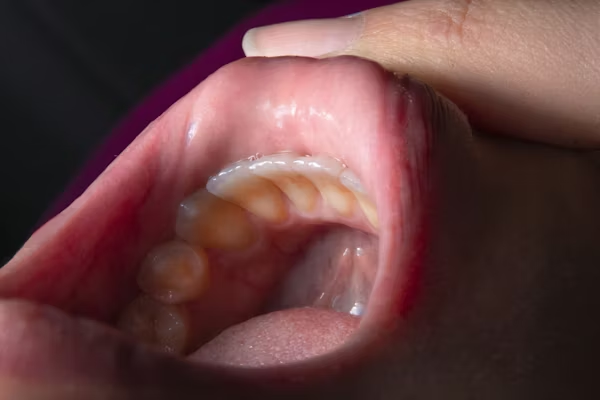
Maintaining healthy gums is a key part of overall oral well-being, and early treatment can make all the difference when signs of gum disease appear. When inflammation, bleeding, or gum tenderness begins, it often signals the need for a deeper level of care.
In these situations, periodontal scaling and root planing is one of the most effective and widely recommended treatments.
Supported by decades of clinical expertise, dental professionals like Eddie G Tennison DDS offer this treatment to help patients restore gum health, prevent disease progression, and protect their smiles long-term.
Periodontal Scaling and Root Planing
Before worrying too much about the term “deep cleaning,” it’s helpful to understand that periodontal scaling and root planing is a trusted, non-surgical method designed to restore gum health.
It removes harmful plaque and tartar from beneath the gumline, smooths tooth roots, and encourages your gums to heal naturally. Many patients describe the treatment as a fresh start for their oral health—almost like hitting the “reset button” on their gums.
Understanding Gum Disease
Gingivitis vs. Periodontitis
Gingivitis is the earliest stage of gum disease and is marked by swollen, red, or easily bleeding gums. Fortunately, this stage is typically reversible with good hygiene and preventive care. Periodontitis, however, is a more advanced form that occurs when gingivitis is left untreated.
At this stage, deep periodontal pockets develop, the bone supporting the teeth begins to deteriorate, and gums pull away from the teeth.
How Plaque and Tartar Damage the Gums
Plaque is a sticky bacterial film that forms on teeth daily. If it isn’t removed, it hardens into tartar—an irritating, cement-like substance that clings to the teeth and gumline. This buildup triggers inflammation and infection, weakening the gums and supporting bone structures.
Signs You May Need a Deep Cleaning
Some signs are subtle, while others are hard to ignore. Bleeding gums, persistent bad breath, gum recession, tenderness, and visible buildup are all warning signs.
Sensitivity while brushing or flossing may also indicate early gum issues that could require deeper cleaning.
What Is Periodontal Scaling and Root Planing?
Definition of Deep Cleaning
Deep cleaning refers to a specialized periodontal treatment performed to remove plaque, tartar, and toxins from below the gumline. This process addresses the areas standard dental cleanings can’t reach.
How It Differs From Regular Dental Cleanings
While regular cleanings focus on the surfaces you can see when you smile, deep cleanings target hidden problem areas beneath the gumline. This makes deep cleaning essential for stopping disease progression.
Goals of the Treatment
The primary objectives of deep cleaning include reducing gum inflammation, halting the disease process, encouraging gum reattachment, and preventing future tooth loss. Together, these goals contribute to long-term periodontal stability.
How Periodontal Scaling Works
Deep cleaning requires precision, skill, and the right tools—qualities Eddie G Tennison DDS and his team are well known for. Scaling focuses on removing stubborn debris that ordinary home care cannot reach.
Removing Plaque and Tartar Below the Gumline
During scaling, your dental professional eliminates plaque and tartar deposits hidden below the gums. These deposits are often responsible for ongoing inflammation, so removing them is crucial for healing.
Specialized Dental Instruments
Dentists use a combination of manual instruments and ultrasonic tools to thoroughly clean each tooth. These tools allow for detailed, careful work in areas that are often difficult to access.
Ultrasonic Scaler vs. Manual Tools
Ultrasonic scalers use high-frequency vibrations to break apart tartar quickly and efficiently. Manual tools complement them by allowing the dentist to reach tight spaces and refine the cleaning.
What Root Planing Involves
Smoothing Rough Tooth Roots
Root planing focuses on smoothing the rough areas of the tooth’s root. These rough patches tend to trap bacteria, which can worsen gum disease if left alone.
Helping Gums Reattach to Teeth
Smoother root surfaces make it easier for the gums to heal and reattach. This process reduces pocket depth and strengthens the foundation supporting the teeth.
Reducing Future Bacterial Growth
By smoothing these root surfaces, root planing helps create an environment where bacteria have fewer opportunities to thrive, lowering the risk of reinfection.
Signs You May Need Scaling and Root Planing
Persistent Bad Breath
When bacteria flourish beneath the gumline, they produce strong odors that brushing alone cannot resolve.
Bleeding or Swollen Gums
Bleeding during brushing or flossing is often the first noticeable symptom of gum inflammation.
Gum Recession or Tooth Mobility
If gums start pulling away or teeth begin to feel loose, it’s a sign that gum disease may already be advanced.
Diagnostic Tools Before Treatment
Periodontal Pocket Measurements
Using a small dental probe, your dentist measures the spaces between the teeth and gums. Deeper pockets often indicate the need for deep cleaning.
Digital X-Rays
X-rays reveal bone levels around each tooth and help clinicians identify underlying issues that aren’t visible to the naked eye.
Gum Health Charting
Dentists chart the condition of your gums during each visit. This tracking allows them to monitor changes and detect progression early.
Step-by-Step Deep Cleaning Process
Numbing and Comfort Options
Local anesthesia ensures that patients remain comfortable throughout the entire treatment. Many are surprised by how smooth the process feels.
Scaling the Upper and Lower Quadrants
The mouth is divided into quadrants so each section can be cleaned thoroughly. This structure also ensures patients don’t feel overwhelmed.
Root Planing and Post-Treatment Polishing
After root surfaces are smoothed, teeth are polished to discourage future buildup. This final step leaves the mouth feeling noticeably cleaner.
Length of the Treatment
How Long Each Quadrant Takes
Each quadrant generally requires around 30–45 minutes, though severe buildup may extend this timeframe.
One Visit vs. Two-Visit Treatment
Some patients prefer to complete all quadrants in a single visit, while others choose to split the process into two or more sessions, depending on comfort.
Factors That Influence Timing
The amount of tartar, the depth of pockets, patient sensitivity, and the overall condition of the gums all play a role in determining the total treatment time.
Pain and Sensitivity Expectations
What to Expect During Treatment
Most patients report little more than light pressure thanks to effective numbing. The treatment is generally painless.
Sensitivity After the Treatment
Mild sensitivity—especially to cold foods—is normal and usually fades within a few days.
Tips for Managing Temporary Discomfort
Warm saltwater rinses, softer foods, and desensitizing toothpaste help ease symptoms during the healing period.
Healing After Scaling and Root Planing
Gum Reattachment and Pocket Reduction
As gums heal, they tighten around the teeth, reducing pockets and restoring stability.
Signs of Normal Healing
Improved breath, decreased bleeding, and less gum tenderness often indicate healthy progress.
Warning Signs to Monitor
Persistent pain, fever, or excessive swelling should prompt a call to your dentist.
Home Care After Deep Cleaning
Brushing and Flossing Recommendations
Gentle brushing and flossing are essential for continued healing, but patients should avoid overly aggressive techniques.
Antibacterial Mouth Rinses
Special antimicrobial rinses help control bacteria during the healing phase.
Avoiding Irritating Foods
Crunchy, spicy, or acidic foods can irritate sensitive gums right after treatment, so softer foods are recommended temporarily.
Medications That May Be Prescribed
Antibiotic Gels or Mouth Rinses
These help reduce bacteria in deep pockets, speeding up the healing process.
Oral Antibiotics for Severe Cases
When infection is more widespread, oral antibiotics may be necessary for complete resolution.
Anti-Inflammatory Recommendations
Over-the-counter medications can help manage discomfort and reduce swelling.
Benefits of Scaling and Root Planing
Reduced Gum Inflammation
Most patients notice that bleeding and swelling diminish significantly soon after treatment.
Stabilized Tooth Support
Healthy gums provide stronger support for teeth, reducing the risk of movement or shifting.
Lower Risk of Tooth Loss
Stopping periodontal disease early increases the likelihood of keeping natural teeth for life.
Periodontal Maintenance After Treatment
Importance of 3–4 Month Cleanings
Regular periodontal maintenance cleanings help prevent the return of harmful bacteria.
Monitoring Pocket Depths
Your dentist will continue to check pocket depths to ensure the gums remain healthy and stable.
Professional Guidance for At-Home Care
Patients receive tailored guidance to help reinforce good habits at home.
What Happens If Gum Disease Is Not Treated?
Bone Loss Progression
Unaddressed gum disease leads to irreversible bone loss around the teeth.
Increased Tooth Mobility
As bone deteriorates, teeth loosen and can eventually fall out.
Higher Risk of Systemic Health Issues
Research links untreated periodontal disease to heart disease, diabetes complications, and respiratory conditions.
Eddie G Tennison DDS: Exceptional Gum Care and Deep Cleaning Expertise
Located in Round Rock, Texas, Eddie G Tennison DDS has been delivering high-quality, family-centered dental care since 1988. His practice at 2021 N. Mays St. Ste1200 has become a trusted destination for patients seeking comprehensive dental services in a comfortable and welcoming environment.
Dr. Tennison, an honors graduate of UTHSCSA Dental School with a two-year pediatric residency, has nearly four decades of experience. He offers a broad range of services, including restorative dentistry, orthodontics, implant surgery, wisdom tooth removal, and specialized hospital dentistry.
Committed to continuous education, Dr. Tennison and his practice manager, Anne Cook, prioritize patient relationships and individualized care for overall dental wellness, including deep cleanings and periodontal therapy. Book us today.
Conclusion
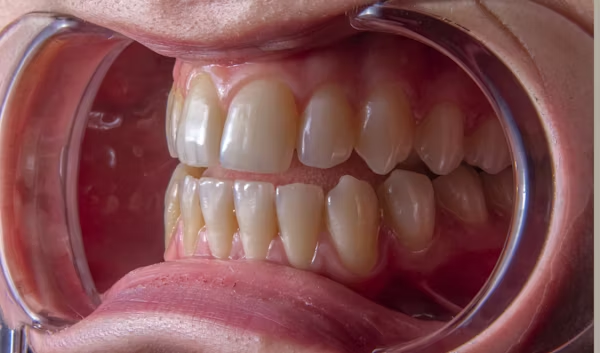
Periodontal scaling and root planing is a powerful, non-surgical treatment that stops gum disease, restores gum health, and strengthens the foundation supporting your teeth. When paired with consistent home care and routine professional maintenance, it provides long-term protection for your smile.
For patients seeking trustworthy, experienced care in Round Rock, Texas, Eddie G Tennison DDS offers exceptional expertise and a patient-focused approach you can rely on.
Frequently Asked Questions
Does deep cleaning hurt?
Thanks to numbing, most patients feel only mild pressure during treatment and little discomfort afterward.
How long does healing take?
Initial healing typically takes 1–2 weeks, with gum reattachment improving over several weeks.
Can gum disease come back after treatment?
Yes, but with good oral hygiene and regular periodontal maintenance, recurrence can be prevented.
How does Eddie G Tennison DDS help maintain gum health?
Dr. Tennison provides personalized treatment plans, advanced diagnostics, and regular periodontal maintenance visits that support long-term gum stability and oral health.