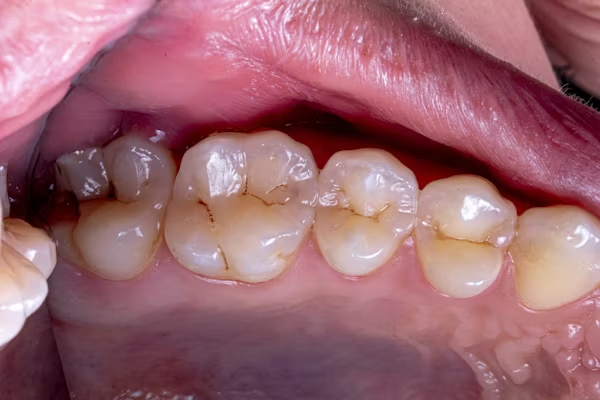
When you picture modern dentistry—sleek, efficient, and tailored to your natural smile—composite fillings instantly stand out. They offer the perfect blend of functionality and aesthetics, making dental restorations feel more like a makeover than a treatment.
And while we’re on the topic of exceptional care, professionals like Eddie G Tennison DDS continue to set the bar high in Round Rock, Texas with decades of expertise and a patient-first approach.
Ready to understand why composite fillings are one of the most sought-after treatments today? Let’s dive in…
What Are Composite Fillings?
Definition and Purpose of Dental Composites
Composite fillings are tooth-colored restorations used to repair cavities, chips, fractures, and worn enamel. Imagine a sculptor carefully shaping clay to restore a masterpiece—that’s essentially how composites work to revive compromised teeth.
Materials Used — Resin, Silica, and Other Compounds
These advanced restorations are made of:
- Resin matrix for flexibility and natural translucency
- Silica and glass particles for durability and shine
- Photoinitiators that harden under curing light
- Pigments that mimic natural tooth shades
This combination results in a strong, versatile filling that adapts flawlessly to your enamel.
Difference Between Composite and Traditional Amalgam Fillings
Compared to silver amalgam, composite fillings:
- Match your tooth’s color
- Are free of mercury
- Require less drilling
- Bond directly to the tooth for added strength
Think of composites as the “custom-fit” option while amalgam is the “one-size-fits-most” alternative.
How Composite Fillings Work
The Bonding Process Explained
A special adhesive connects the composite material to the tooth, forming a strong microscopically interlocking bond. This creates a stable and protective seal.
Layering Technique for Strength and Precision
Composites are built up in layers—each carefully placed and contoured. The dentist sculpts the material to precisely match the tooth’s natural curves and grooves, ensuring both functionality and beauty.
Light Curing and Finishing for Natural Appearance
Each layer is hardened with a curing light. Afterward, the restoration is polished to match the gloss and texture of surrounding enamel, creating a virtually invisible repair.
When Are Composite Fillings Recommended?
Dentists at Haven Dentistry DDS and other leading practices commonly suggest composite fillings for multiple restorative and cosmetic needs.
Treating Cavities and Tooth Decay
Composite fillings are ideal for small-to-medium cavities on any tooth surface, delivering a strong and natural-looking repair.
Repairing Chipped or Worn Teeth
Minor chips, cracks, or wear from grinding can be beautifully restored using composites without altering healthy tooth enamel.
Cosmetic Improvements for Shape and Color
Composites can fix more than damage—they can enhance aesthetics by adjusting tooth shape, closing small gaps, or correcting discoloration.
Advantages of Composite Fillings
Natural Tooth-Like Aesthetics
With shade-matching pigments and translucency options, composites blend seamlessly into your smile.
Strong Adhesion and Preservation of Tooth Structure
Bonding technology allows the dentist to conserve more natural enamel, supporting long-term tooth integrity.
Mercury-Free and Biocompatible Material
For those who prefer metal-free dentistry, composite fillings offer peace of mind and aesthetic consistency.
Comparing Composite and Amalgam Fillings
Appearance and Color Matching
Composite: invisible
Amalgam: silver and noticeable
No surprise which one patients prefer in visible areas.
Durability and Longevity
Today’s composites—especially nanohybrid blends—rival amalgam in strength while offering better aesthetics.
Cost and Insurance Considerations
Composites may cost slightly more upfront, but the natural appearance and enamel preservation often make them a superior long-term investment.
The Treatment for Getting Composite Fillings
Dentists such as Eddie G Tennison DDS follow a methodical, gentle, and efficient approach to placing composite fillings.
Numbing and Tooth Preparation
Local anesthesia keeps the treatment comfortable. Damaged or decayed tooth structure is removed, creating a clean foundation for bonding.
Applying the Adhesive and Filling Material
An adhesive layer is placed, followed by carefully sculpted composite resin. The material is shaped to mimic the original tooth anatomy.
Shaping and Polishing the Final Restoration
Once cured, the filling is polished and adjusted to ensure a perfect bite and a natural-looking finish.
Longevity of Composite Fillings
Average Lifespan and Performance Expectations
Most composite fillings last 7–12 years, though modern materials often extend that lifespan even further.
Factors That Affect Durability
Longevity depends on:
- Brushing and flossing habits
- Diet
- Tooth location
- Size of the filling
- Grinding or clenching habits (bruxism)
Signs It’s Time to Replace a Filling
According to dentists like Dr. Tennison, you may need replacement if you notice:
- Cracks
- Dark lines around edges
- Roughness
- Sensitivity
- Food catching between teeth
Caring for Composite Fillings
Daily Brushing and Flossing Techniques
Use fluoride toothpaste and gentle brushing motions to protect the restoration and surrounding enamel.
Avoiding Hard or Sticky Foods
Ice, jawbreakers, and sticky candy can stress fillings and compromise their longevity.
Regular Dental Visits for Maintenance
Your dentist will monitor the filling and catch any problems before they escalate.
Potential Issues and Solutions
Sensitivity After Placement
It’s normal to experience mild temperature sensitivity for a few days. If it lingers, your dentist can adjust the bite or evaluate for deeper issues.
Chipping or Marginal Leakage
Though strong, composites can chip if subjected to excessive force. Early repair prevents complications.
Repairing vs. Replacing Old Fillings
One major advantage: composite fillings can often be repaired, saving more natural tooth structure.
Advances in Composite Technology
Nanocomposite Materials for Better Strength and Shine
Nanoparticles enhance the polish, wear resistance, and durability of composite restorations.
Digital Shade-Matching for Flawless Results
Advanced shade scanners measure translucency, hue, and undertones—ensuring near-perfect color harmony.
Faster Curing and More Durable Bonding Agents
New curing lights and adhesives reduce chair time and strengthen the enamel-resin bond.
Cosmetic Benefits of Composite Fillings
Restoring Confidence With a Seamless Smile
Composite fillings can replace old metal fillings, instantly boosting smile aesthetics.
Blending With Surrounding Teeth
Their chameleon-like blending ability makes composites a top choice for visible areas.
Custom Shaping for Aesthetic Perfection
Dentists can use composites to correct small imperfections, offering a mini smile makeover without extensive treatments.
Eddie G Tennison DDS: Your Expert in Composite Fillings
If you’re in Round Rock, Texas, Eddie G Tennison DDS offers you unmatched expertise in composite restorations. Dr. Tennison, who graduated with honors from UTHSCSA Dental School in 1985 and completed a two-year residency in Pediatric Dentistry, has served our patients at 2021 N. Mays St. Ste 1200, Round Rock, TX, since 1988.
We have proudly delivered "Quality dentistry from our family to yours" for more than 29 years, ensuring accessible, affordable, and comprehensive care for you, which includes composite fillings, pediatric dentistry, braces, implant surgery, wisdom tooth removal, and hospital dentistry for infants, toddlers, and special needs patients.
Conclusion

Composite fillings have revolutionized restorative dentistry, offering aesthetic beauty, structural integrity, and long-lasting performance. Whether you need to treat decay, repair a chip, or enhance your smile, composite fillings provide a reliable and natural-looking solution.
With skilled professionals at Dr. Eddie G Tennison DDS in Round Rock, Texas, you can feel confident knowing your smile is in excellent hands.
Frequently Asked Questions
How long do composite fillings last?
On average, 7–12 years, though good oral care can extend their life significantly.
Are composite fillings safe for children?
Yes, they’re safe, durable, and blend beautifully with natural teeth.
Can they be used on molars?
Absolutely. Modern composites are strong enough for back teeth.
How do I know if my old filling needs replacing?
Look for cracks, discoloration, sensitivity, or a change in bite.
Do composite fillings stain over time?
They can, especially with coffee, tea, or smoking, but polishing helps maintain brightness.
Is the treatment painful?
No. With local anesthesia, the process is quick, easy, and comfortable.